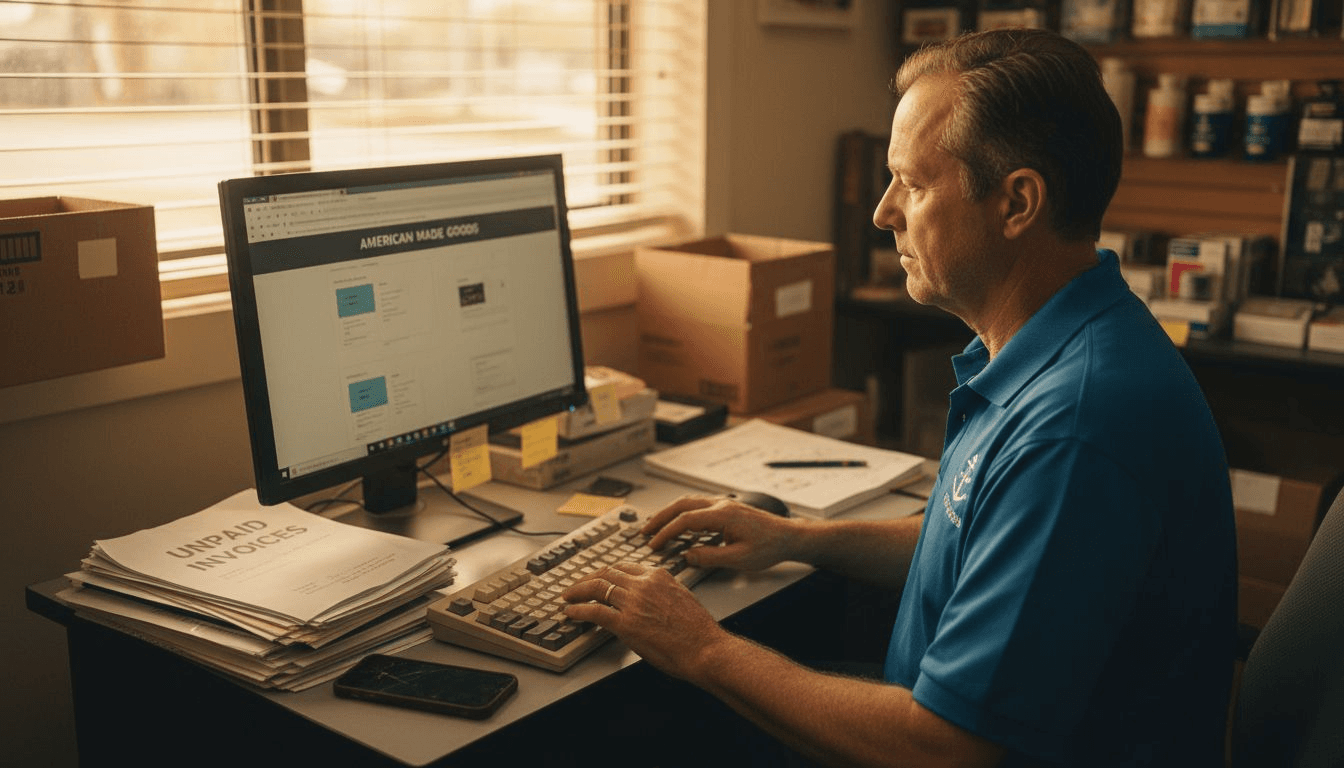
Over 60% of consumers distrust businesses with outdated websites, directly impacting sales and local growth. For Texas small business owners, regular website updates are essential to maintain online credibility, improve search engine rankings, and stay competitive in local markets. This article explains how affordable, incremental updates deliver measurable SEO benefits, dispels common redesign myths, and provides practical strategies for sustaining a modern, trustworthy online presence.
Table of Contents
- How website updates improve local SEO and visibility
- Building online credibility through modern design and user experience
- Dispelling common misconceptions about website updates
- Affordable and practical website update strategies for small businesses
- Local success stories: website updates driving Texas business growth
- Conclusion and next steps: investing in your website's future
- Boost your small business with expert website updates
Key takeaways
| Point | Details |
|---|---|
| Regular updates boost local SEO | Fresh content and technical maintenance improve Google rankings and local visibility. |
| Modern design builds trust instantly | Updated, mobile-responsive sites reduce bounce rates and increase customer engagement. |
| Incremental updates fit small budgets | Affordable strategies cost 30-50% less than full redesigns while maintaining competitiveness. |
| Myths about costly redesigns mislead owners | Many updates require only content refreshes, not expensive overhauls. |
| Texas businesses see real growth | Case studies show 25% increases in foot traffic and online orders from strategic updates. |
How website updates improve local SEO and visibility
Google's algorithm prioritizes websites that demonstrate ongoing relevance through regular content updates and technical maintenance. Monthly updates can increase local rankings by up to 50%, giving Texas small businesses a competitive edge in local search results. Fresh blog posts, updated service descriptions, and new product information signal to search engines that your site actively serves customers.
Technical updates play an equally important role in maintaining search visibility. Regular maintenance fixes broken links, improves page load speeds, and ensures proper crawling by search engine bots. These behind-the-scenes improvements prevent ranking penalties and keep your site accessible to both users and search algorithms.
Mobile optimization stands out as the most critical update for local SEO success. Over 60% of local searches occur on mobile devices, and mobile-friendly design boosts search traffic by 60%. Texas consumers searching for nearby services on smartphones expect fast-loading, easy-to-navigate sites. A mobile-responsive website checklist ensures your site meets these essential standards.
Local SEO improvements translate directly into business growth. Higher search rankings increase visibility among nearby customers actively seeking your services. This visibility drives both online inquiries and physical foot traffic to your location.
Update type comparison for SEO impact:
| Update Type | SEO Impact | Typical Cost | Implementation Time |
|---|---|---|---|
| Fresh content | High | Low to medium | 1-2 weeks |
| Mobile optimization | Very high | Medium | 2-4 weeks |
| Technical fixes | Medium to high | Low | 1-3 days |
| Design refresh | Medium | Medium to high | 3-6 weeks |
Key factors that maximize local SEO through updates:
- Adding location-specific keywords and content for Texas markets
- Updating business hours, contact information, and service areas
- Publishing customer testimonials and local case studies
- Optimizing images with descriptive alt text and compressed file sizes
- Implementing modern website features like schema markup for local businesses
Building online credibility through modern design and user experience
First impressions matter online, and 94% of consumers form judgments about website credibility based solely on visual design. Outdated layouts, poor color schemes, and clunky navigation instantly erode trust, causing potential customers to leave for competitors. Modern, clean design communicates professionalism and attention to detail, reassuring visitors that your business delivers quality.
User experience improvements reduce bounce rates by up to 35%, keeping visitors engaged longer and increasing conversion opportunities. When users find information quickly and navigate effortlessly, they're more likely to contact you, make purchases, or visit your location. Poor UX creates frustration that drives customers away before they explore your offerings.
Responsive design builds trust across all devices by providing consistent, optimized experiences whether visitors use smartphones, tablets, or desktops. Texas consumers expect seamless mobile browsing, and sites that fail to deliver appear unprofessional or neglectful. Small business website essentials include responsive frameworks that adapt automatically to screen sizes.

Clear navigation and fast load times form the foundation of positive user experiences. Visitors abandon sites that take longer than three seconds to load, while confusing menus leave them unable to find what they need. Simple, intuitive layouts guide users naturally toward key information and conversion points.
Design elements that maximize credibility:
- Professional photography and original images instead of generic stock photos
- Consistent branding with cohesive colors, fonts, and visual style
- Prominent contact information and clear calls to action
- Customer testimonials and trust badges displayed strategically
- Clean, uncluttered layouts with ample white space
Pro Tip: Conduct user testing with actual customers to identify navigation pain points and design elements that confuse or frustrate visitors before they impact your conversion rates.
Dispelling common misconceptions about website updates
Many small business owners delay necessary updates because they equate any website work with expensive, time-consuming full redesigns. This misconception prevents businesses from maintaining competitive online presences and causes gradual declines in search rankings and customer trust. Regular content and feature updates often suffice to maintain SEO benefits and user engagement without major overhauls.
Incremental updates deliver sustained value at manageable costs. Adding blog posts, updating service pages, or refining contact forms keeps your site fresh and relevant. These targeted improvements maintain momentum between larger design refreshes, ensuring consistent performance and visibility.
Cost concerns frequently stem from outdated pricing models where agencies charged thousands for minor changes. Modern website management offers subscription plans and affordable maintenance packages that spread costs over time. Small businesses can budget predictably for ongoing updates rather than facing surprise expenses.
Common myths that hold businesses back:
- Believing all updates require developer expertise and technical skills
- Assuming content changes necessitate complete site rebuilds
- Thinking SEO improvements demand massive budgets and specialized agencies
- Fearing downtime or technical issues from routine maintenance
The reality is that strategic, regular updates cost far less than emergency fixes or lost business from outdated sites. DIY website builder pitfalls often create more expensive problems than professional incremental updates would have prevented. Proactive maintenance avoids crises and keeps your online presence competitive without breaking your budget.
Affordable and practical website update strategies for small businesses
Incremental updates cost 30 to 50% less than full redesigns while delivering comparable SEO and user experience benefits over time. Small businesses can maintain modern, competitive websites by implementing regular, targeted improvements instead of waiting years for complete overhauls. This approach spreads costs evenly and prevents the dramatic gaps in functionality and design that occur with infrequent major updates.
Recommended update frequency balances impact with budget constraints. Content updates every one to three months keep your site fresh for search engines and visitors. Quarterly design tweaks address evolving trends without constant change. Annual technical audits identify and fix underlying issues before they impact performance.
Comparison of update approaches:
| Approach | Average Cost | Time Investment | SEO Impact | User Experience |
|---|---|---|---|---|
| Full redesign | $3,000-$10,000 | 4-12 weeks | High initially | Dramatic improvement |
| Incremental updates | $500-$2,000/year | 1-3 days/quarter | Sustained high | Steady improvement |
Updating software regularly reduces security risks by 30%, protecting customer data and maintaining site functionality. Outdated plugins and content management systems create vulnerabilities that hackers exploit. Simple monthly maintenance prevents breaches and ensures compatibility with evolving web standards.
Practical steps for budget-conscious updates:
- Audit your current site to identify outdated content, broken links, and slow pages
- Prioritize updates based on SEO impact and user pain points
- Schedule content refreshes monthly and design reviews quarterly
- Implement changes in small batches to minimize disruption and costs
- Monitor analytics to measure improvement and adjust strategy accordingly
Affordable resources support ongoing maintenance without large upfront investments. Website redesign frequency guidance helps plan major updates strategically. Affordable website pricing plans offer predictable monthly costs that fit small business budgets. External resources like website update cost myths clarify realistic expectations.
Pro Tip: Start with high-impact, low-cost updates like refreshing homepage copy and adding new testimonials to build momentum before tackling more complex technical improvements.
Local success stories: website updates driving Texas business growth
Real Texas small businesses demonstrate the tangible impact of strategic website updates on revenue and local visibility. Updated menus, responsive design, and SEO improvements led to 25% increases in local foot traffic and online orders within six months for restaurants across the state. These results prove that targeted updates deliver measurable returns, not just abstract improvements.
A Lubbock retail shop updated product pages and improved mobile navigation, resulting in 40% more online inquiries and a 30% boost in in-store visits from local searches. The owner invested modestly in quarterly content updates and annual design refinements, avoiding expensive full redesigns while maintaining a competitive edge.
An Austin service business focused on local SEO updates, adding location-specific content and optimizing Google Business Profile integration. Within three months, the company ranked first for key local searches, doubling website traffic and increasing appointment bookings by 35%. Small, strategic changes produced outsized results.
Common update types driving Texas success:
- Fresh blog content targeting local search terms and customer questions
- Mobile-responsive design ensuring seamless experiences across devices
- Improved page speed through image optimization and code refinement
- Updated service descriptions with clear pricing and contact information
- Customer testimonials and case studies building local trust
These local SEO services examples illustrate how incremental improvements compound over time. Businesses that commit to regular updates see sustained growth, while competitors with stagnant sites lose ground. Texas small business owners can apply these same strategies regardless of industry or budget, starting with high-impact changes and building momentum through consistent effort.
Conclusion and next steps: investing in your website's future
Regular website updates drive measurable improvements in local SEO, customer trust, and business growth for Texas small businesses. Fresh content, modern design, and mobile optimization create competitive advantages in local markets without requiring expensive full redesigns. Incremental, strategic updates fit small business budgets while delivering sustained value.
Affordable options exist specifically for small business needs and constraints. Monthly maintenance plans and targeted improvement strategies support ongoing success without overwhelming resources. The importance of small business websites extends beyond initial launch to continuous optimization and refinement.
Start with manageable updates that address your most pressing needs, whether improving mobile responsiveness, refreshing content, or fixing technical issues. Build momentum through consistent, small improvements rather than waiting for perfect timing or complete overhauls.
Boost your small business with expert website updates
Maintaining a competitive website doesn't require technical expertise or massive budgets when you partner with specialists who understand Texas small business needs. Professional website design and ongoing optimization ensure your site consistently attracts local customers and builds credibility.
Digital Biz Agent offers affordable monthly plans starting at $50 that include regular updates, SEO optimization, and mobile-responsive design tailored for Texas entrepreneurs. Our website design and SEO services combine strategic improvements with predictable pricing, allowing you to focus on running your business while we maintain your online presence.
Customized strategies address your specific market, competition, and growth goals. Whether you need content refreshes, design modernization, or comprehensive SEO work, our team implements proven approaches that drive results. Review our website pricing plans to find the right fit for your budget. Learn more about strategic timing through our website redesign advice.
FAQ
How often should I update my small business website?
Update content every one to three months to maintain SEO momentum and show customers your business stays active. Conduct design reviews quarterly to address emerging trends and user feedback. Adjust frequency based on your industry, competition, and available budget, but avoid gaps longer than six months. Website redesign frequency guidance helps establish schedules aligned with business goals.
What types of updates improve local SEO the most?
Fresh content, mobile responsiveness, and technical fixes deliver the highest local SEO impact. Regularly adding local keywords, updating contact information, and publishing customer testimonials also strengthen local search performance. Modern website features like schema markup and fast load speeds further boost visibility in local results.
Can I update my website without a full redesign?
Yes, incremental content updates and minor feature improvements maintain SEO performance and user engagement without full redesign costs. Regular content and feature updates often suffice to stay competitive and preserve search rankings. Full redesigns become necessary only every three to five years for most small businesses. Understanding DIY website builder pitfalls helps you choose effective update strategies.
How much should small businesses budget for website updates?
Budget $500 to $2,000 annually for incremental updates, or $50 to $150 monthly for comprehensive maintenance plans. This covers content refreshes, technical maintenance, and minor design improvements. Full redesigns cost $3,000 to $10,000 but occur infrequently, making regular updates the more cost-effective long-term strategy.
Do website updates really increase local foot traffic?
Yes, case studies show properly executed updates increase local foot traffic by 25 to 40% through improved search rankings and customer trust. Mobile optimization and local SEO improvements make your business more visible to nearby customers actively searching for services. Updated sites convert more visitors into customers who visit your location or make purchases.
Recommended
- Modern website features list: 30% more engagement for SMBs
- Mobile-responsive website checklist for Texas businesses 2026
- Launch Texas Website 2026: 58% Mobile Traffic Boost
- 7 Reasons Why Small Business Websites Are Vital - JAMES PEREZ
- 7 Essential Strategies for Local Business Events Near Me | Jigsaw Conferences